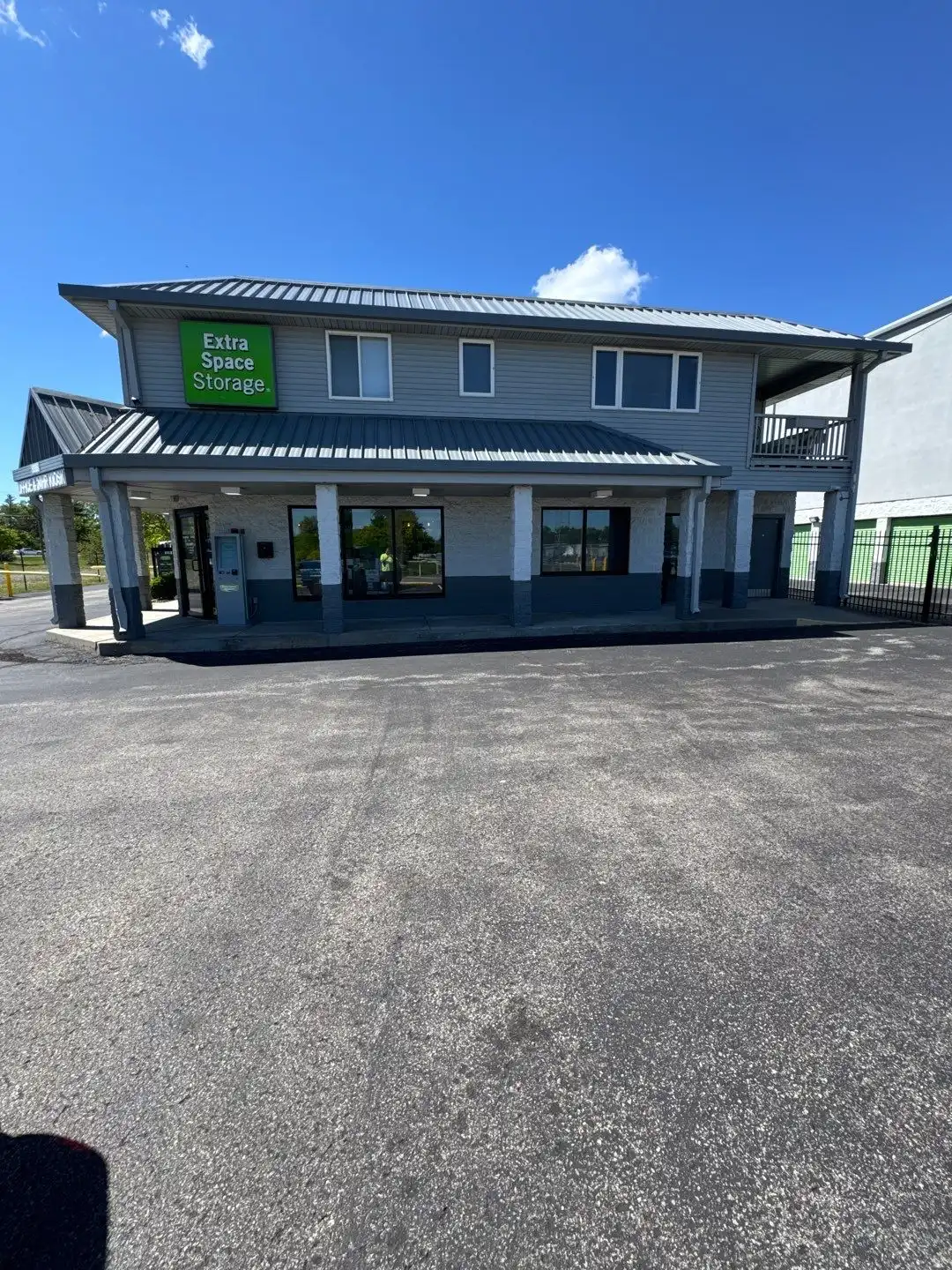
Standing seam and corrugated, side by side
Standing seam and corrugated are both metal roofing, but they are built on different principles, and the core differences explain everything else about how they cost, perform, and fit a Trader's Point business. Understanding what each one is comes first.
What standing seam is
Standing seam is a metal roofing system with raised vertical seams that lock the panels together, and crucially, its fasteners are concealed, hidden beneath the seams rather than exposed to the weather. This concealed fastener design is what makes standing seam watertight and low maintenance, because there are no exposed screw holes for water to find. It is the premium metal system, used on commercial buildings where a clean look and long, trouble free performance matter on a roof.
What corrugated is
Corrugated metal, and similar exposed fastener panels, attach to the roof with screws driven through the metal into the structure, leaving the fastener heads exposed on the surface. This exposed fastener design makes corrugated more economical and simpler to install, which is why it has a long history on industrial, agricultural, and budget conscious commercial buildings. The tradeoff is that the exposed fasteners, with their rubber washers, are points that need maintenance over time on a Marion County roof.
The fastener difference drives everything
The single most important difference between the two is concealed versus exposed fasteners, and nearly every other distinction flows from it. Concealed fasteners make standing seam watertight, low maintenance, and longer lasting, at a higher cost. Exposed fasteners make corrugated cheaper and simpler, but introduce maintenance and potential leak points as the washers age. For a Trader's Point business, understanding this one difference goes most of the way toward understanding the whole comparison.
Why both systems exist
Both systems endure because they serve different needs. Standing seam exists for buildings that want the best metal performance and appearance and will pay for it. Corrugated exists for buildings that want metal's durability at a lower price and can accept the maintenance. Neither is simply better, they are matched to different priorities and budgets. A business choosing between them is really choosing which set of tradeoffs fits its building and goals.
See which system fits your building
The broader point about metal roofing is that the choice between standing seam and corrugated is really a choice about priorities, since both deliver metal's signature durability. A Trader's Point business that knows whether it values lowest upfront cost or best long term performance and appearance can pick confidently, because the two systems sort cleanly along that line. The roof that fits the building's purpose and budget is the right one, and metal rewards that match with decades of service.
Finally, because metal roofing depends on the building's slope and structure, an accurate recommendation requires a real look at the building rather than a generic answer. A business that gets a professional assessment learns not only which system fits but whether metal is appropriate and how it should be installed for the building. That upfront step turns a broad comparison into a confident, building specific decision about a roof meant to last for decades.
It also helps to weigh the decision over the full life of the roof rather than at purchase, because metal roofs last so long that the upfront price is a smaller part of the total story than with shorter lived systems. A Marion County owner who considers maintenance, longevity, and how long the building will be held makes a sounder choice than one comparing only first costs. Standing seam and corrugated each win that fuller comparison for different buildings, which is why matching the system to the situation matters.
The broader point about metal roofing is that the choice between standing seam and corrugated is really a choice about priorities, since both deliver metal's signature durability. A Trader's Point business that knows whether it values lowest upfront cost or best long term performance and appearance can pick confidently, because the two systems sort cleanly along that line. The roof that fits the building's purpose and budget is the right one, and metal rewards that match with decades of service.
Finally, because metal roofing depends on the building's slope and structure, an accurate recommendation requires a real look at the building rather than a generic answer. A business that gets a professional assessment learns not only which system fits but whether metal is appropriate and how it should be installed for the building. That upfront step turns a broad comparison into a confident, building specific decision about a roof meant to last for decades.
It also helps to weigh the decision over the full life of the roof rather than at purchase, because metal roofs last so long that the upfront price is a smaller part of the total story than with shorter lived systems. A Marion County owner who considers maintenance, longevity, and how long the building will be held makes a sounder choice than one comparing only first costs. Standing seam and corrugated each win that fuller comparison for different buildings, which is why matching the system to the situation matters.
The broader point about metal roofing is that the choice between standing seam and corrugated is really a choice about priorities, since both deliver metal's signature durability. A Trader's Point business that knows whether it values lowest upfront cost or best long term performance and appearance can pick confidently, because the two systems sort cleanly along that line. The roof that fits the building's purpose and budget is the right one, and metal rewards that match with decades of service.
Finally, because metal roofing depends on the building's slope and structure, an accurate recommendation requires a real look at the building rather than a generic answer. A business that gets a professional assessment learns not only which system fits but whether metal is appropriate and how it should be installed for the building. That upfront step turns a broad comparison into a confident, building specific decision about a roof meant to last for decades.
It also helps to weigh the decision over the full life of the roof rather than at purchase, because metal roofs last so long that the upfront price is a smaller part of the total story than with shorter lived systems. A Marion County owner who considers maintenance, longevity, and how long the building will be held makes a sounder choice than one comparing only first costs. Standing seam and corrugated each win that fuller comparison for different buildings, which is why matching the system to the situation matters.
The right metal system depends on your building, your budget, and how the roof will be used, which is exactly what an assessment determines. Trader's Point Commercial Roofing evaluates your Trader's Point building and explains whether standing seam or corrugated fits its needs, then prices the right one. Call (765) 676-3491 to find out which metal system suits your business. Matching the system to the building is what separates a smart spend from an expensive guess.